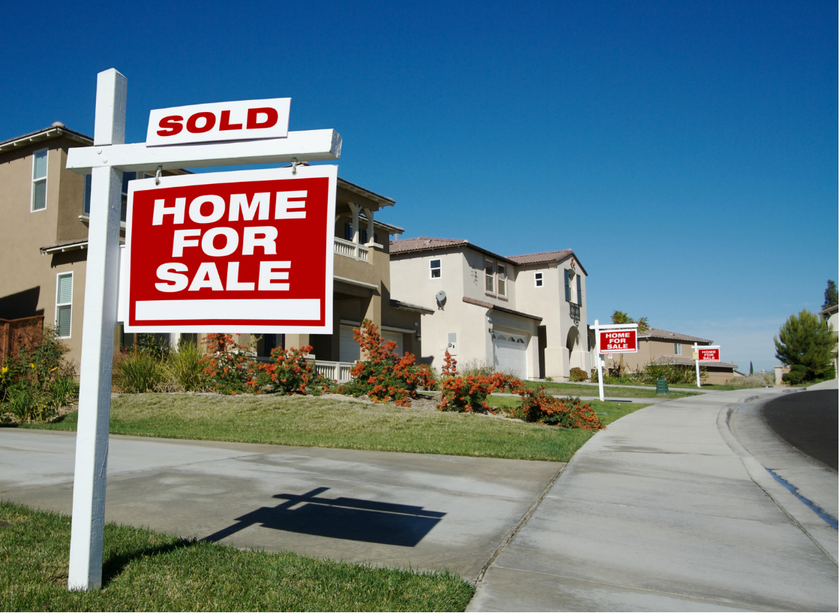
7 Things to Consider Before Selling Your Property
Selling your property is a significant financial decision, and getting the best possible result takes more than simply putting it on the market. From understanding your property’s value to choosing the right agent, every decision can influence your selling experience and final outcome.
Before you take the next step, here are seven important things to consider when selling your property.
1. Understand Your Property’s Market Value
Before setting a price or accepting an offer, it’s important to understand what your property is realistically worth in the current market.
Factors such as location, property condition, land size, recent comparable sales, buyer demand and market conditions all influence value.
Avoid relying solely on online estimates or neighbouring property prices, as every property has unique characteristics.
Consider this: Arrange a professional property appraisal with an experienced local agent who understands your area and can provide an assessment based on recent market evidence.
2. Choose the Right Real Estate Agent
The right agent can make a significant difference to your selling experience. Beyond listing your property, an agent should guide you through pricing, marketing, inspections, buyer enquiries and negotiations.
When choosing an agent, consider their local market knowledge, recent sales results, communication style, marketing capabilities and negotiation experience.
Don’t make your decision based solely on the highest estimated selling price. Look for an agent who can explain a clear strategy for achieving your goals.
Consider this: Interview potential agents, review their track record and ask how they plan to market and position your property.
3. Prepare Your Property for Sale
First impressions can influence how buyers perceive your property and its potential value.
A well-presented property can help attract more interest and allow buyers to visualise themselves living in or using the space.
Before listing, consider:
- Decluttering and removing unnecessary furniture.
- Deep cleaning the property.
- Improving gardens and street appeal.
- Completing minor repairs and maintenance.
- Improving lighting and presentation.
- Considering professional styling where appropriate.
Consider this: Focus on improvements that enhance presentation without overspending on renovations that may not deliver a worthwhile return.
4. Develop the Right Marketing Strategy
Effective marketing is about reaching the right buyers, not just getting your property online.
Different properties attract different audiences. A family home, apartment, commercial warehouse, development site or acreage property will each require a tailored approach.
A well-planned campaign may include professional photography, online property portals, social media advertising, video content, property brochures and direct engagement with qualified buyers.
Consider this: Discuss a customised marketing plan with your agent and ensure your property’s strongest features are clearly communicated.
5. Understand the Costs Involved in Selling
Selling a property involves several potential expenses that should be factored into your financial planning.
Depending on your circumstances, these may include:
- Real estate agent commission.
- Marketing and advertising expenses.
- Conveyancing or solicitor fees.
- Property presentation and styling costs.
- Mortgage discharge fees.
- Potential capital gains tax on investment properties.
The costs will vary depending on your property, location and individual circumstances.
Consider this: Request a breakdown of expected selling expenses before your campaign begins so you can estimate your potential net proceeds.
6. Consider Market Conditions and Timing
Property markets are influenced by interest rates, buyer confidence, housing supply, economic conditions and local demand.
While some sellers prefer to wait for a particular season or market cycle, the best time to sell ultimately depends on your individual circumstances and the demand for your type of property.
Understanding what is happening in your local market can help you make a more informed decision about when and how to sell.
Consider this: Ask your agent about recent comparable sales, competing listings, buyer activity and current market trends in your suburb.
7. Get Your Legal Documentation Ready
Having the right documentation prepared early can help prevent unnecessary delays once a buyer is interested.
In Victoria, sellers generally need a Section 32 Vendor Statement prepared before a property is offered for sale. This document provides important information about the property, including relevant title, planning and other disclosures.
Depending on the property, you may also need building information, lease agreements, council records, planning documents or other supporting paperwork.
Consider this: Engage a qualified conveyancer or solicitor early to ensure the necessary documentation is accurate, complete and ready before your property goes to market.
Ready to Take the Next Step?
Selling your property is about making informed decisions at every stage. With the right preparation, pricing strategy, marketing campaign and professional guidance, you can approach the selling process with greater confidence.
At Real Core Properties, we take a personalised approach to every sale. Our team combines local market knowledge, strategic marketing and professional negotiation to help property owners achieve their selling objectives.
Whether you’re considering selling now or simply exploring your options, understanding your property’s current market value is a great place to start.
Thinking of selling? Let’s talk.
Contact Real Core Properties today for a professional property appraisal.
Real People. Real Property. Real Care.
www.rcpgroup.com.au
03 9052 5100
[email protected]